Here at BeFit, we believe true fitness isn’t just about how much you can lift or how fast you can run—it’s about holistic health from the inside out. And one of the most critical, yet often overlooked, indicators of your internal health is your blood pressure.
Dubbed the “silent killer” because it often has no symptoms, high blood pressure (hypertension) is a major risk factor for heart disease, stroke, and kidney problems. The good news? Monitoring your blood pressure is easier than ever, putting you in the driver’s seat of your own wellness journey.
Why You Should Monitor at Home
You might get your blood pressure checked at your annual physical, but that’s just a single snapshot. Home monitoring gives you a feature-length film of your heart’s health. The benefits are clear:
Provides a More Accurate Picture: Readings in a doctor’s office can be higher due to “white coat syndrome” (the anxiety of being in a clinical setting). Home monitoring gives you a true baseline in a relaxed environment.
Tracks the Effectiveness of Lifestyle Changes: Whether you’ve started a new exercise routine, changed your diet, or are managing stress, home monitoring shows you the direct impact of your efforts.
Empowers Early Detection: Catching a rising trend early allows you to consult your doctor before it becomes a more serious issue.
Choosing the Right Blood Pressure Monitor
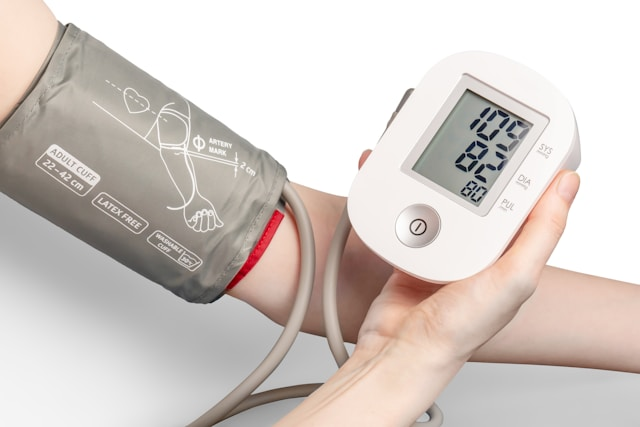
The first step is getting the right tool for the job. For home use, we highly recommend an automatic, upper-arm cuff monitor. They are easy to use and generally the most accurate for non-medical professionals.
What to look for:
Proper Cuff Size: This is crucial! An ill-fitting cuff will give you inaccurate readings. Measure the circumference of your upper arm and choose a monitor that comes with a cuff in your size.
Automatic Inflation: This is the standard for most home devices and is much simpler than manual pumps.
Easy-to-Read Display: Large, backlit numbers are a plus.
Memory Storage: Some models can store readings for multiple users, making it easy to track your trends over time.
How to Get an Accurate Reading: A Step-by-Step Guide
Consistency is key! To ensure your readings are reliable, follow these steps every time:
Prepare Your Body: Avoid caffeine, exercise, and smoking for at least 30 minutes before measuring.
Sit and Relax: Sit in a comfortable chair with your back supported and feet flat on the floor. Rest quietly for 5 minutes before you begin.
Position Your Arm Correctly: Place your arm on a table so that the cuff is at the same level as your heart. Rest your palm up.
Apply the Cuff: Secure the cuff directly on your bare skin, about an inch above the bend of your elbow. It should be snug but not tight.
Take the Reading: Stay still, don’t talk, and press the start button. Breathe normally while the monitor inflates and deflates.
Record Your Results: Note the date, time, and both numbers (systolic and diastolic). Many apps can sync with your monitor, or a simple notebook works perfectly.
Understanding Your Numbers
So, what do those two numbers mean?
Systolic (Top Number): The pressure in your arteries when your heart beats.
Diastolic (Bottom Number): The pressure in your arteries when your heart rests between beats.
Here’s a quick reference guide based on Hypertension Canada guidelines:
| Category | Systolic (mmHg) | Diastolic (mmHg) | |
|---|---|---|---|
| Normal | Less than 120 | and | Less than 80 |
| Elevated | 120 – 129 | and | Less than 80 |
| High (Stage 1) | 130 – 139 | or | 80 – 89 |
| High (Stage 2) | 140 or higher | or | 90 or higher |
Note: Always discuss your specific numbers and targets with your healthcare provider.
Making it a Healthy Habit
Incorporate blood pressure monitoring into your routine just like you would a workout. A great starting point is to take readings at the same time each day—perhaps once in the morning and once in the evening. Don’t obsess over a single high reading; it’s the long-term trends that matter most.
Your Journey to Heart Health Starts Now
Monitoring your blood pressure is a simple, powerful act of self-care. It’s a direct line of insight into your cardiovascular health and a fantastic way to see the tangible benefits of your fitness and nutrition efforts here at BeFit.
Disclaimer: This information is for educational purposes only and is not a substitute for professional medical advice. Always consult with your doctor or a qualified healthcare provider for diagnosis and personalized treatment plans.